Premier Hazardous Tree 24/7 Support
Discover Key Arboriculture Techniques for Ideal Tree Well-being
Understanding tree care is crucial for ensuring ecological wellness. Important techniques such as mulching and pruning play significant roles in promoting tree vitality. In addition, proper watering techniques are crucial for developing strong roots. However, a lot of individuals ignore the indicators of tree illness and the importance of hiring professionals. Investigating these factors can result in a better understanding for how to maintain trees. How can someone ensure to make sure their trees flourish?
The Significance of Tree Well-being
Recognizing the value of healthy trees is critical, as trees are key players in preserving the ecosystem's equilibrium and making urban areas better. Healthy trees contribute to air quality, give shelter, and sustain animal homes. They also help mitigate global warming by sequestering carbon dioxide, making them essential for environmental sustainability.
In urban settings, well-maintained trees enhance the appearance, raise the value of homes, and foster neighborhood health. Trees help diminish heat island effects in cities, which saves money on energy.
Failing to care for trees, in contrast, can result in disease, pest infestations, and unstable limbs, posing risks to infrastructure and the trees themselves. Consequently, recognizing the indicators of tree health, like the color of the leaves, how the tree is growing, and the state of the bark, is critical for proper care. In conclusion, caring for vibrant trees benefits not just individual landscapes but the wider ecological system, stressing the importance for preventative maintenance and maintenance techniques.
Crucial Techniques for Cutting Branches
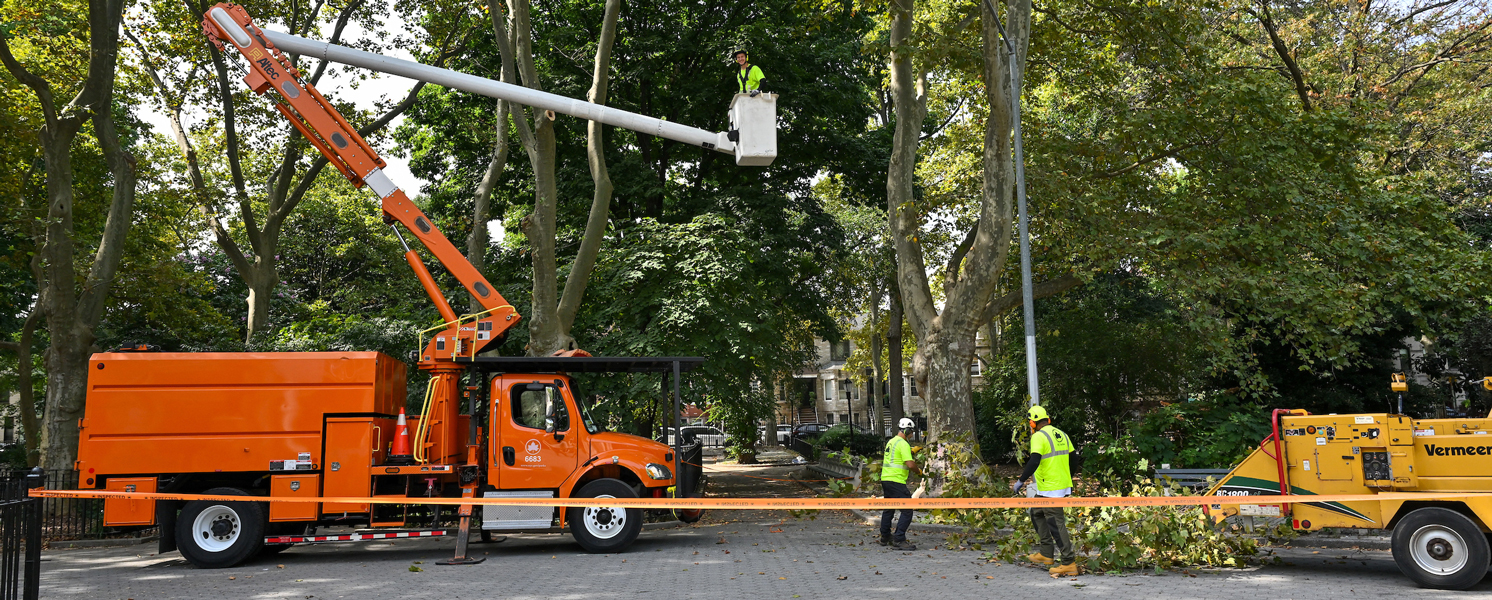
Cutting branches is a vital method in tree care that ensures optimal development and well-being, as it removes dead or diseased branches and enhances air flow within the canopy. Applying correct practices guarantees that trees can grow well in their setting.
One fundamental technique is "thinning," which requires careful branch removal to enhance light penetration and reduce weight on weaker limbs. 'Heading back' is one technique, where the tips of branches are trimmed to stimulate lateral branching, mainly in juvenile trees. Additionally, the 'crown reduction' method decreases the size and reach of a tree and retaining its natural structure.
Timing is essential; pruning during the dormant season lessens the impact and optimizes healing. Tools should be sharp and clean to avoid damage and infection transfer. Understanding these important pruning techniques is necessary for all tree specialists aiming to maintain healthy and aesthetically pleasing trees.
Identifying Common Tree Diseases
What helps tree owners spot the symptoms of frequent ailments that put their trees at risk? Knowing the particular signs is essential for early detection and treatment. Typical signs involve discolored or wilting leaves, which may suggest fungal infections or nutrient deficiencies. Unusual growths, for example, galls and cankers, may indicate insects are present or pathogens that compromise tree health. Furthermore, bark shedding or sticky sap can be a sign of disease that require immediate attention.
Tree owners should also observe alterations in the tree's form, such as branches dying or leaves falling, which might indicate a serious problem beneath the surface. Looking out for insect attacks, for instance, sawdust or bark holes, is equally important. Through vigilance and promptness, they can recognize these typical illnesses and get the right solutions, ensuring their trees remain healthy and vibrant throughout the seasons.
How Mulching Helps Trees
Mulching is a key technique in tree care, offering numerous benefits which encourage strong development and resilience. This technique requires placing a covering of inorganic or organic matter around the base of a tree, helping to keep the soil damp, suppress weeds, and stabilizing soil warmth. The mulch covering does more than minimize competition from competing weeds but also boosts the visual appeal of the landscape.
Furthermore, natural mulching materials, such as wood chips or bark, break down eventually, adding vital nutrients to the soil and improving its structure. This natural breakdown supports root development and fosters a healthier environment for the tree. Additionally, applying mulch helps stop soil erosion, which helps maintain the stability of the tree’s foundation. When applied correctly mulch must be distributed in a donut shape, keeping it away with the trunk to avoid rotting. Overall, integrating mulch application into tree care routines greatly supports to the lasting vitality of trees.
Proper Watering Practices for Trees
Effective tree care requires not only mulching but also proper watering practices to ensure optimal growth and health. Trees, specifically new plantings, demand regular water to develop robust root structures. Deep watering is essential, as it promotes roots to descend where moisture is more consistent. Ideally, trees should receive about an inch of water per week, be it from precipitation or supplemental irrigation.
Watering should be done during the early morning hours to minimize water loss and disease caused by fungi. It is important to avoid overwatering, which often causes root decay and related complications. One must check the soil for moisture before watering; if the top two inches are dry, then watering is necessary. Furthermore, employing a soaker hose or drip irrigation offers a slow, constant flow of water, guaranteeing trees are sufficiently hydrated without the danger of water runoff. Effective hydration techniques greatly contribute to the general well-being of trees.
Retaining Specialized Tree Care: When and Why
When considering the health and aesthetics of a property, engaging expert tree care may prove essential for homeowners with complicated tree maintenance requirements. Expert tree specialists have the expertise to determine tree vitality, identify diseases, and implement effective treatments. Professionals are familiar with local regulations regarding tree removal and maintenance, making sure they comply and sidestepping fines
(Stillwater Tree Service)Homeowners should consider hiring professionals when dealing with large trees, specifically trees near homes or power lines, as improper handling can pose safety risks. In addition, trees requiring pruning for looks or well-being profit from the expertise of trained specialists who can perform careful trimming to stimulate new growth
Routine seasonal work, such as preparing for storms and debris cleanup, also warrant professional intervention to keep the property safe and appearance. Finally, using expert tree care providers makes certain trees get the best attention, contributing positively to the entire outdoor space and home valuation
Commonly Asked Questions
How Can I Tell if My Tree Is Receiving Too Much Water?
Overwatering often leads to yellowing leaves, limpness though the soil is damp, rotting root systems, and excessive leaf drop. In addition, the presence of fungal growth near the trunk's bottom often suggests inadequate water runoff and saturated soil.
What Is the Best Time of Year for Tree Pruning?
The ideal season for trimming is generally in the cold months before spring prior to bud break - Stillwater Tree Service. Scheduling the work then supports vigorous development and lessens the impact on the plant, enabling rapid wound closure and development
Do Trees Bounce Back After Significant Weather Events?
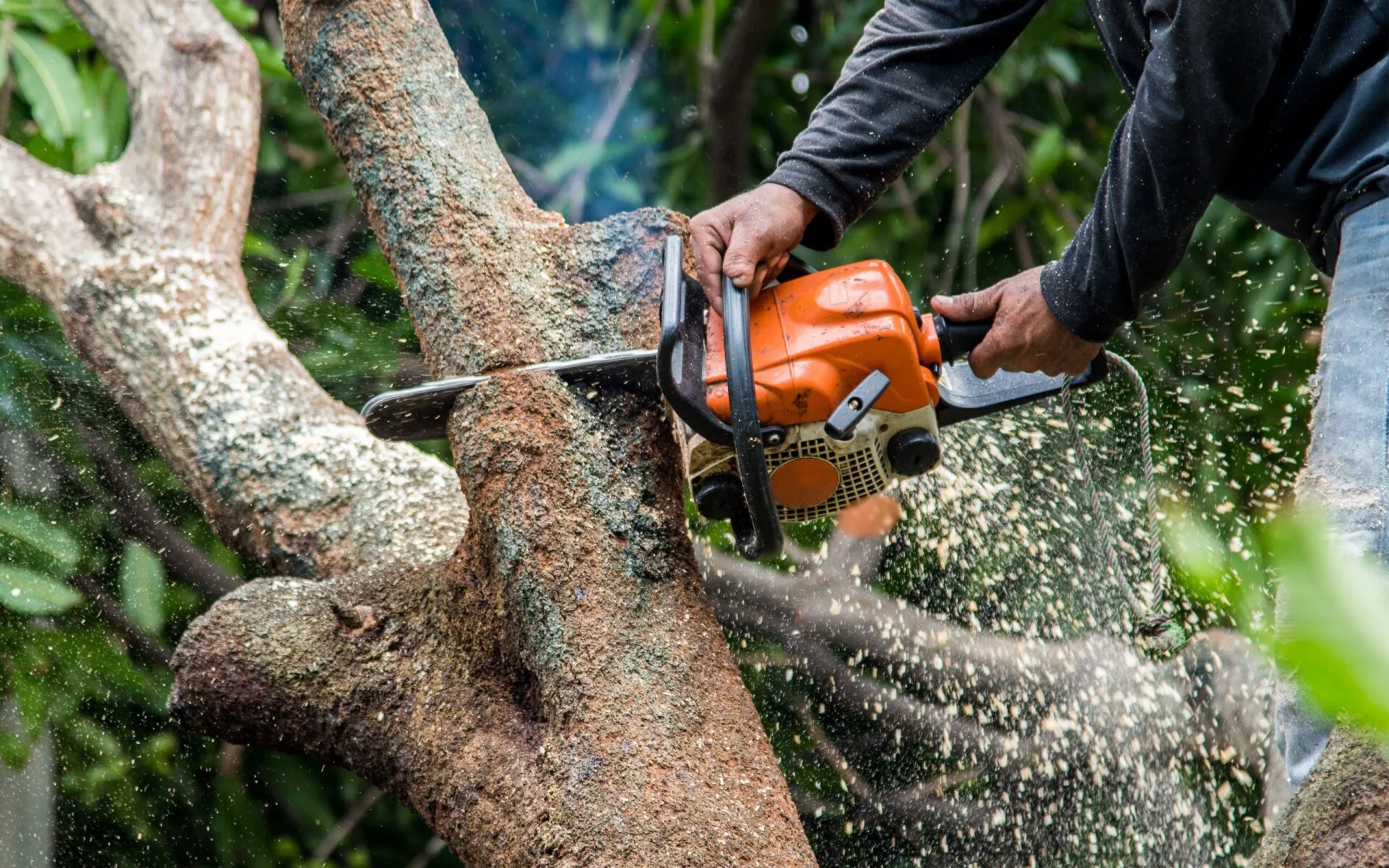
Absolutely, trees are capable of recovering from associated resource major storm damage. Given the right attention, including the removal of injured parts and supplying necessary moisture and food, most trees will recover their vitality and flourish once more following a stressful event.
What Is the Process for Selecting the Right Mulch for My Trees?
In order to pick the best mulch, look for natural materials such as shredded bark or wood chips, ensure a layer 2 to 4 inches deep, and avoid piling mulch against the trunk to prevent disease.
Do Certain Tree Species Need More Attention Than Others?
Specific varieties, such as fruit trees and newly planted specimens, demand more care due to their sensitivity to environmental changes and specialized fertilization demands. Regular monitoring and tailored maintenance practices are crucial for their well-being and development.